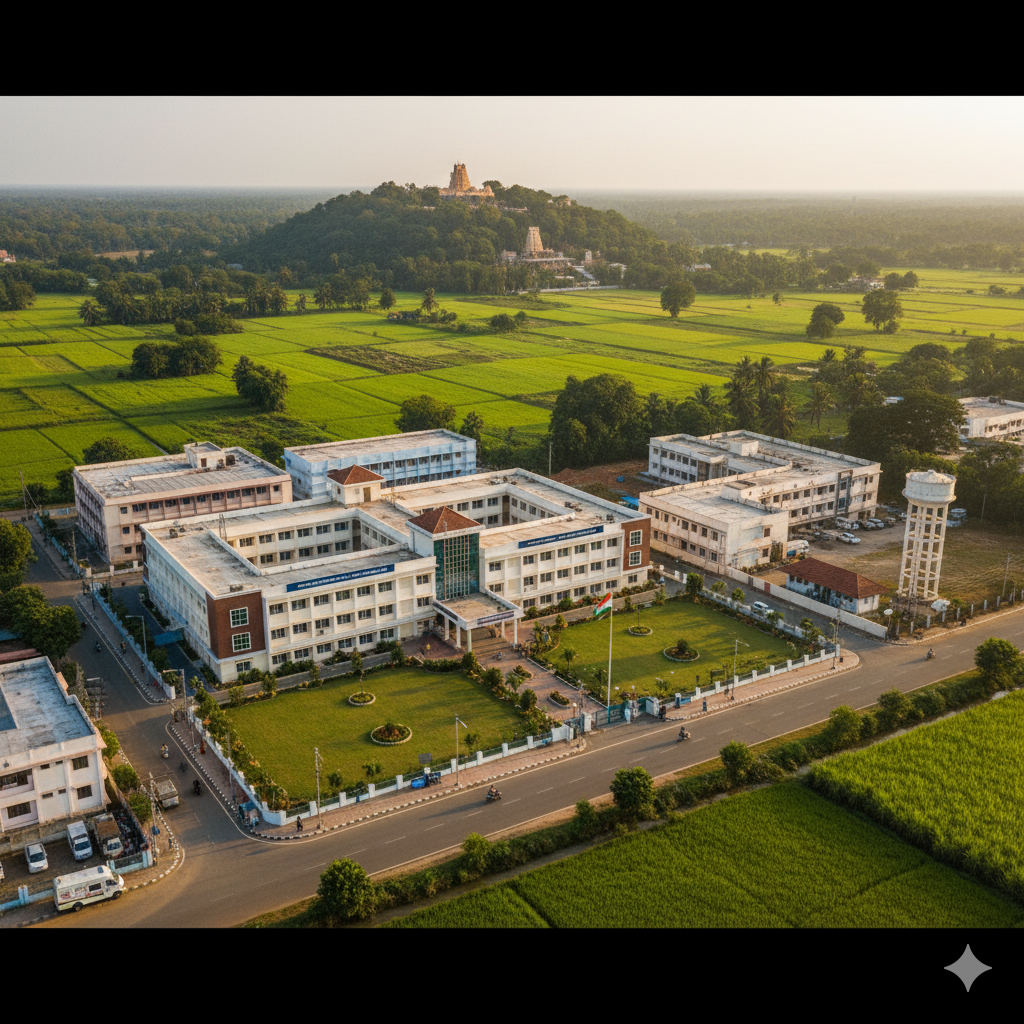
Welcome to Atmakur
Atmakur is one of the most prominent zones in Nellore District, Andhra Pradesh, known for its rich agricultural landscape, peaceful rural environment, and steadily growing infrastructural development. Situated in the western part of the district, Atmakur serves as an important link between the interior villages and the major towns of Nellore and Kavali. The zone is well recognized for its fertile farmlands, abundant water resources, and diverse cropping patterns that contribute significantly to the district’s agrarian economy.
Agriculture
Agriculture forms the backbone of the economy in Atmakur Zone, providing livelihoods to a major share of its rural communities. The region is characterized by fertile red soils and alluvial patches that, combined with reliable monsoon patterns, support diverse cropping systems. Paddy, groundnut, sugarcane, pulses, and various vegetables are widely cultivated, making Atmakur one of the productive agricultural belts in Nellore District. The zone is also known for its freshwater aquaculture and livestock rearing, which further strengthen rural incomes. Irrigation in Atmakur depends on a well-distributed network of tanks, ponds, streams, and minor canals fed by seasonal rains, ensuring steady water availability for farming throughout the year.
Tourism
Tourism in Atmakur Zone offers a harmonious blend of natural landscapes, spiritual heritage, and rural charm that draws visitors from across Nellore District. The Sangameswara Temple at Sangam stands as the zone’s most prominent spiritual attraction, located at the picturesque confluence of the Penna River and Boggeru stream, making it a revered destination for devotees and travelers alike. Surrounding areas such as AS Pet, Ananthasagaram, and Duttalur are dotted with serene lakes, agricultural fields, and rolling village scenery—perfect for peaceful drives, nature walks, and photography enthusiasts. The region’s traditional festivals, village fairs, and temple rituals add cultural vibrancy, offering visitors a glimpse into the deep-rooted traditions of rural Andhra Pradesh.
Education
Education plays a crucial role in the development of the Atmakur Zone, offering accessible learning opportunities to students from both rural villages and semi-urban settlements. The region is home to a growing network of schools and colleges that support academic advancement, skill development, and competitive exam preparation. Notable institutions such as Atmakur Government Degree College, Viveka Junior College, Narayana and Sri Chaitanya Schools, and various private junior colleges attract students from nearby Mandals like Sangam, AS Pet, and Duttalur. Government schools across the zone continue to improve with digital classrooms, English-medium sections, and upgraded infrastructure, ensuring better learning outcomes.
Overview

Atmakur Zone, nestled in the western corridor of Nellore District, is a steadily developing region known for its agricultural richness, cultural depth, and growing administrative importance. What once began as a collection of small rural communities has now evolved into a thriving local hub that connects several Mandals and remote settlements. Blessed with fertile fields, flowing canal systems, and age-old temples, Atmakur blends the charm of rural Andhra with the pace of modern development.
The zone is witnessing consistent improvements in road connectivity, digital access, public services, and educational facilities. New schools, health centers, and small-scale industries are shaping Atmakur into a self-sustaining ecosystem. Yet, the region retains its serene village environment, traditional practices, and community spirit. Today, Atmakur Zone stands as a symbol of progressive rural advancement where development and heritage move forward hand in hand.
Atmakur continues to serve as a bridge between rural and semi-urban economic activities. The presence of weekly markets and small-scale industries adds to the region’s employment opportunities. Farmers in the zone are increasingly adopting modern techniques such as drip irrigation and high-yield cultivation.
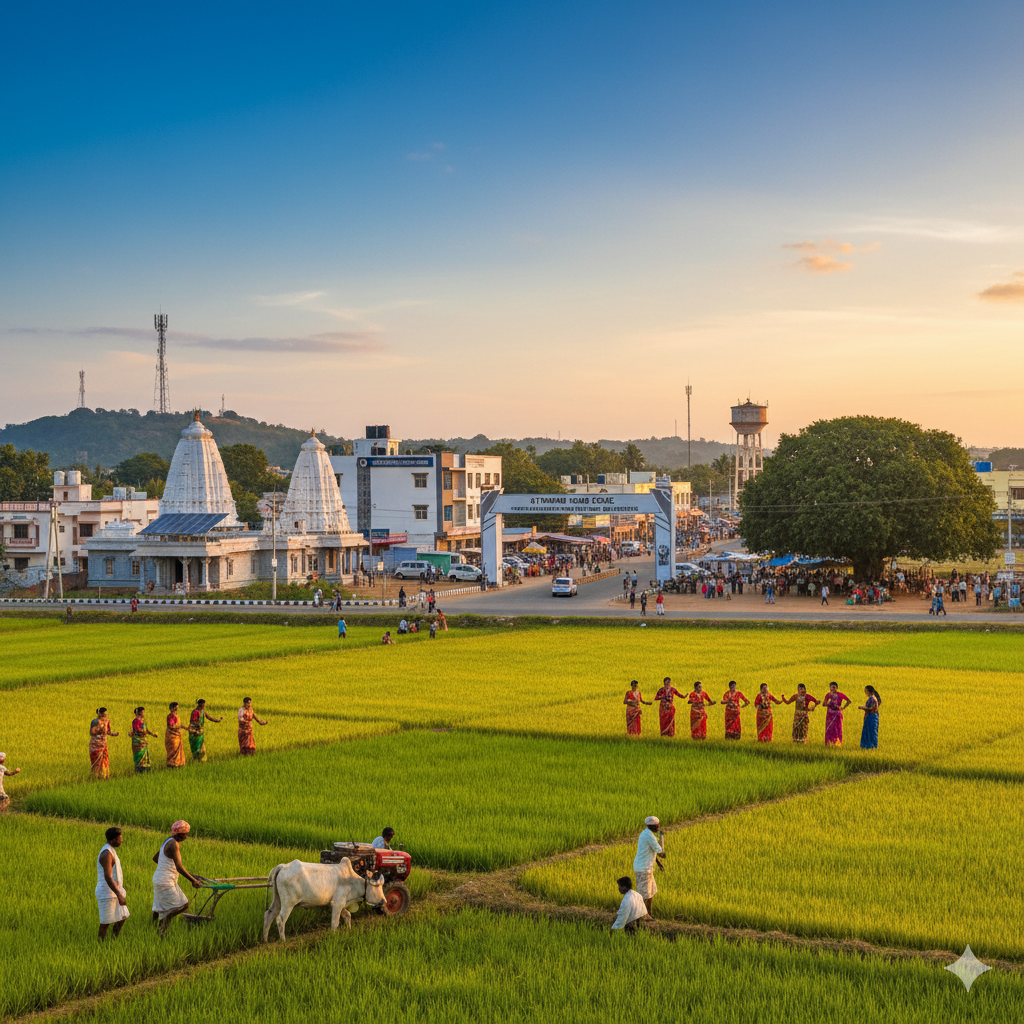
History
The roots of Atmakur trace back to ancient Andhra civilizations, flourishing under dynasties such as the Satavahanas, Cholas, and the Vijayanagara Empire. These rulers strengthened the region with advanced irrigation canals, agricultural reforms, and temple architecture, helping Atmakur grow as a dependable agricultural base for the surrounding territories.
During the British period, the zone attained significance as a rural trade center supported by cooperative societies, early schools, and administrative establishments. Over the decades, Atmakur has preserved its cultural identity through temple festivals, folk arts, and traditional fairs, which continue to showcase its historic legacy. The region’s heritage reflects the resilience, devotion, and harmony of its people through centuries of transformation.
Many ancient temples in Atmakur still reflect the architectural styles of historic dynasties. Traditional art forms, folk music, and dances performed during festivals highlight the cultural richness of the region. Several villages in the zone host annual “Jatara” events, attracting devotees and visitors from distant towns.

Geography & Climate
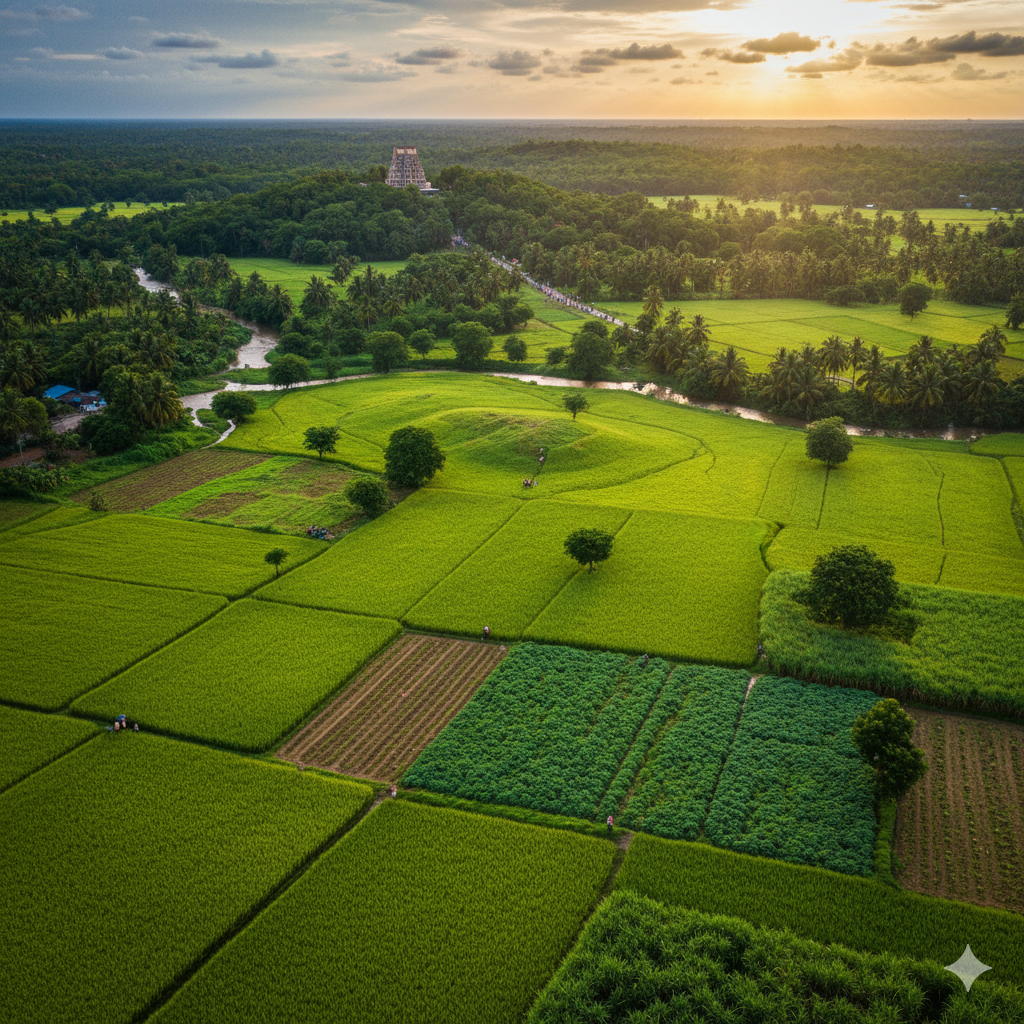
Atmakur Zone is surrounded by lush paddy fields, fertile plains, and water-rich agricultural landscapes fed by streams, ponds, and canal networks. The land composition varies from nutrient-rich red soils to alluvial deposits that support major crops like paddy, groundnut, sugarcane, pulses, and vegetables. Fisheries and livestock farming further strengthen rural livelihoods.
The zone experiences a tropical climate with warm summers, mild winters, and abundant rainfall during the southwest and northeast monsoons. These rains recharge local tanks and reservoirs, ensuring consistent agricultural productivity. Thanks to its favorable climate and fertile ecosystem, Atmakur continues to be one of the most agriculturally dependable regions in Nellore District.
Seasonal crops like millets, green leafy vegetables, and flowering plants thrive in the region. The water bodies also support freshwater aquaculture, which is a major source of income for many families. The diverse landscape promotes natural biodiversity with native birds, livestock, and agricultural fauna.
Administrative Setup
Atmakur Zone plays a key role in Nellore District’s governance structure and functions under the supervision of the Revenue Divisional Office (RDO). Local administration is handled by officials such as Tahsildars, MPDOs, Village Revenue Officers, and other field-level representatives who oversee welfare schemes, revenue activities, and community services. Active Gram Panchayats and municipal bodies work towards improving infrastructure, sanitation, rural development, and public amenities.
In recent years, e-governance and digital service centers have made administrative services more accessible. From online certificates to social welfare programs, residents benefit from faster, more transparent governance. With continuous public outreach, infrastructure upgrades, and welfare-driven initiatives, Atmakur stands as a model of responsible and effective administration in the district.
The administration frequently conducts awareness campaigns on health, agriculture, women empowerment, and environmental sustainability. Rural development projects like road repairs, drinking water schemes, and street lighting upgrades have improved living standards.