Welcome to Kandukur
Kandukur is a significant zone in Nellore District, Andhra Pradesh, known for its rich agricultural base, educational institutions, and growing commercial importance. Located near the border of Prakasam district, Kandukur serves as a vital link between Nellore and the northern regions of Andhra Pradesh.
Agriculture
Agriculture is the cornerstone of the economy in the Kandukur Zone, sustaining a major portion of the local population. The region is endowed with fertile lands and a moderate climate that favor the cultivation of a wide range of crops. Paddy, groundnut, pulses, tobacco, and sunflower are among the principal crops grown in this area. The agricultural activities are largely supported by seasonal rainfall, with irrigation facilitated through tanks, bore wells, and small canals. With a strong agricultural base and gradual adoption of modern farming techniques, Kandukur Zone continues to play a vital role in strengthening the agrarian economy of Nellore District.
Tourism
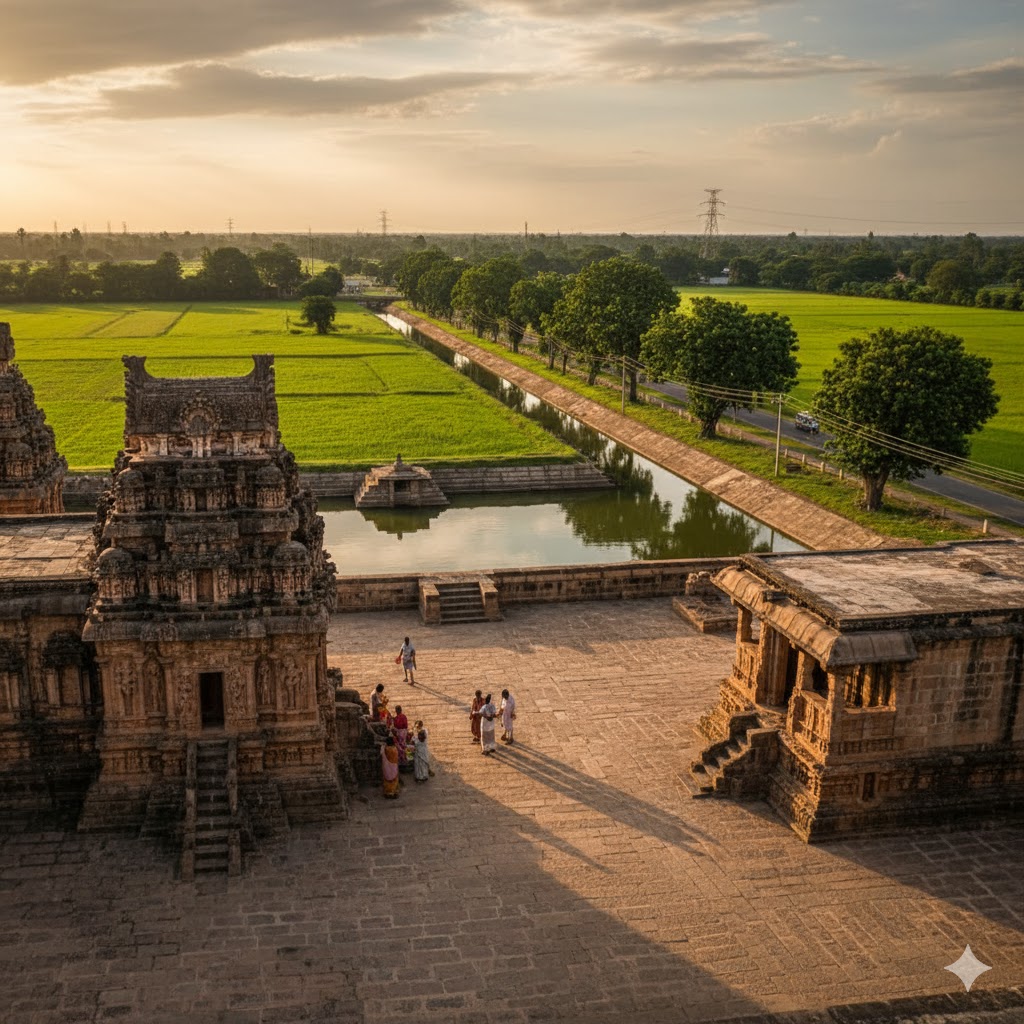
Tourism in Kandukur Zone offers a harmonious blend of natural charm, cultural heritage, and spiritual depth, making it an inviting destination for travelers seeking both peace and tradition. The region is surrounded by lush green fields, serene water bodies, and picturesque countryside landscapes that reflect the rural beauty of Andhra Pradesh. Among its notable attractions, the Chennakesava Swamy Temple stands as a spiritual centerpiece, admired for its intricate architecture, ancient sculptures, and vibrant annual festivals that draw devotees and tourists alike.
Education
Kandukur Zone is emerging as a prominent educational center in SPSR Nellore District, providing quality learning opportunities across various disciplines. The zone hosts several well-known institutions such as Priyadarshini Institute of Technology & Science, Kandukur Degree College, and various junior and intermediate colleges that cater to students from surrounding areas. Alongside these, a strong network of government and private schools ensures access to quality education from primary to higher secondary levels, fostering academic growth and skill development in the region.
Overview

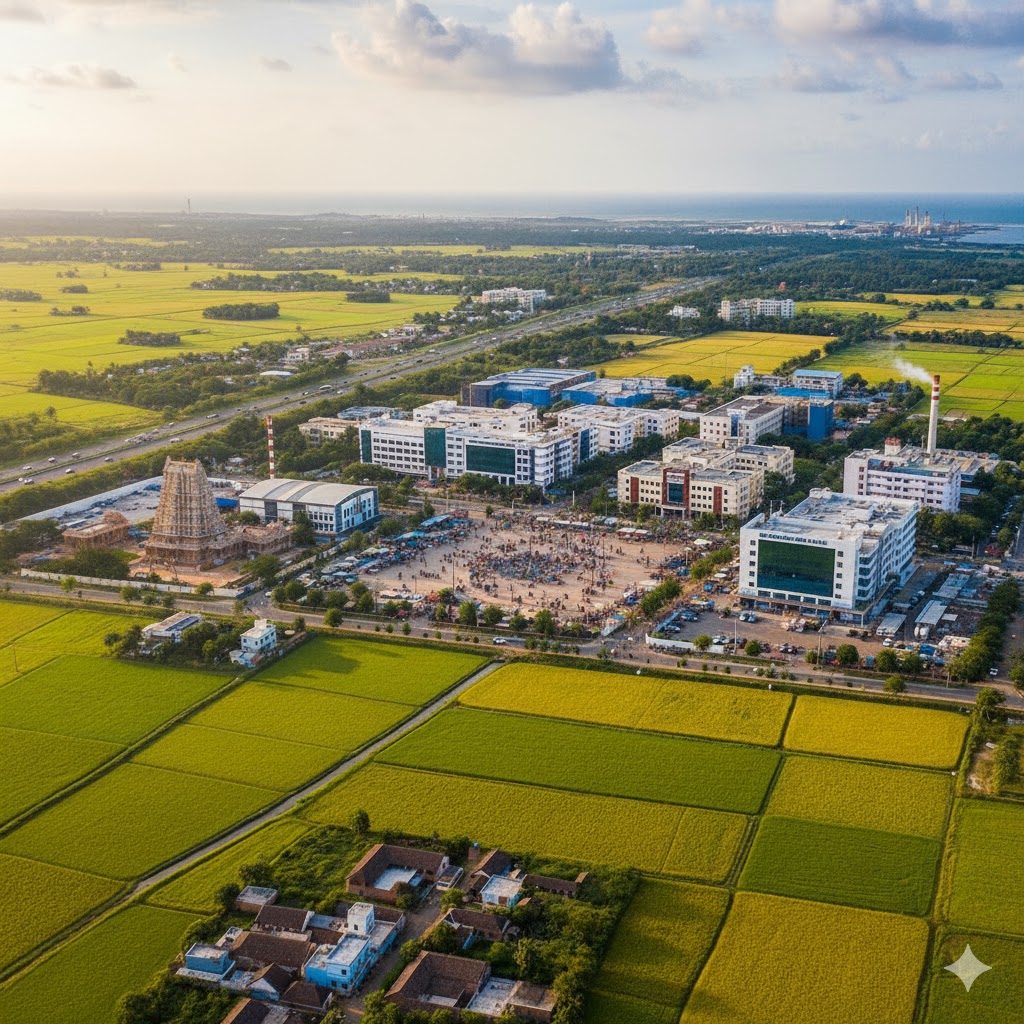
Kandukur Zone, located in the northern part of Nellore District, is a thriving region known for its agricultural abundance, educational institutions, and cultural vibrancy. Once a modest rural settlement, Kandukur has evolved into an emerging urban hub that connects several surrounding villages and Mandals. Its fertile lands, efficient transport routes, and growing public infrastructure have made it a focal point for trade, education, and community development. The people of Kandukur take immense pride in their traditions, while also embracing modern lifestyles and technological growth.
In recent years, the zone has witnessed rapid development with improved road connectivity, digital governance, and expanding economic opportunities. New schools, healthcare centers, and small industries have strengthened the local economy and uplifted rural livelihoods. Despite modernization, Kandukur retains its village charm, with agricultural markets, local temples, and community gatherings continuing to define everyday life. The harmonious blend of progress and heritage makes Kandukur Zone a symbol of balanced growth within Nellore District — a region that moves forward while staying deeply rooted in its values.
History
The history of Kandukur dates back several centuries, when it served as an important agrarian and trade settlement in the ancient coastal Andhra region. Historical accounts suggest that it came under the influence of various South Indian dynasties, including the Pallavas, Cholas, and Vijayanagara rulers. These kingdoms not only contributed to the construction of temples and irrigation canals but also promoted agriculture and trade, shaping the cultural and economic foundations of Kandukur. The fertile soil and abundant water sources helped the region flourish as a self-sustaining agrarian community.
During the British colonial period, Kandukur gained administrative significance and became a small commercial center linking nearby rural areas with larger markets in Nellore and Ongole. Over time, local communities developed educational institutions and cooperative societies that encouraged literacy and financial independence. Even today, the remnants of old temples, traditional fairs, and folklore preserve the cultural essence of Kandukur’s past. The zone stands as a living example of how a region can retain its historical legacy while embracing the changes brought by modernization and social progress.
Geography & Climate
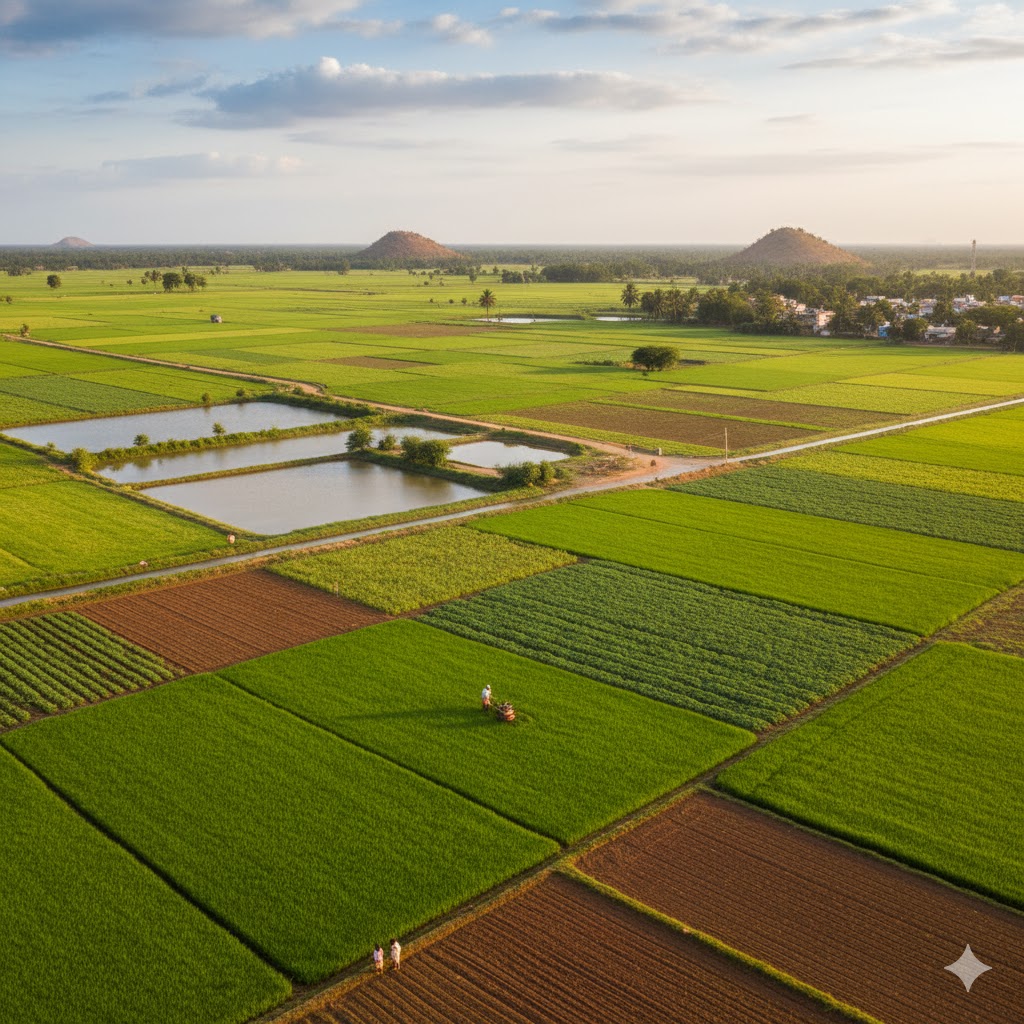
Kandukur Zone lies in the northern plains of Nellore District, surrounded by fertile agricultural fields, seasonal streams, and small hillocks that add to its scenic beauty. The region’s geography is largely flat and well-suited for cultivation, supported by irrigation tanks and canals that draw from nearby water reservoirs. The soil is a mix of red loam and black cotton, providing ideal conditions for the cultivation of paddy, groundnut, pulses, and other seasonal crops. The agricultural productivity of Kandukur plays a vital role in sustaining the economy of both the zone and the district.
Climatically, Kandukur experiences a tropical weather pattern with hot summers, moderate monsoon rains, and pleasant winters. The southwest and northeast monsoons contribute significantly to the area’s rainfall, rejuvenating water bodies and maintaining groundwater levels. The average annual rainfall supports agriculture and vegetation throughout the year, while the warm climate encourages horticulture and livestock farming. With its fertile soil, favorable weather, and sustainable farming practices, Kandukur stands as one of the most agriculturally prosperous and environmentally balanced regions in Nellore District.
Administrative Setup
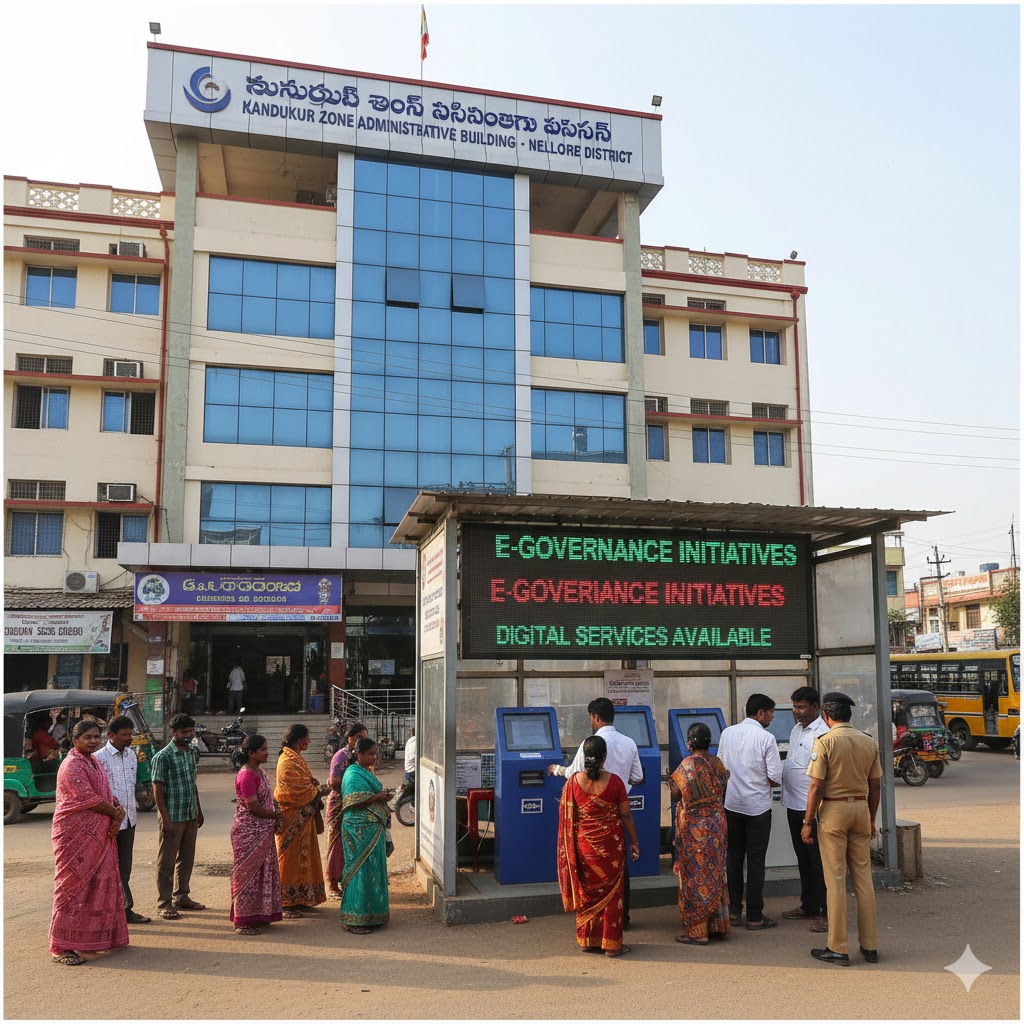
Administratively, Kandukur Zone functions as one of the key divisions under the governance of Nellore District. It operates under the jurisdiction of a Revenue Divisional Officer (RDO), who supervises several Mandals such as Kandukur, Voletivaripalem, and Lingasamudram. Each Mandal is managed by local officers including Tahsildars, Village Revenue Officers (VROs), and Panchayat Secretaries who oversee the implementation of government schemes, revenue collection, and civic administration. The zone is also home to Gram Panchayats and Municipal bodies that actively participate in rural development and welfare programs.
In recent years, the Kandukur administration has embraced e-governance initiatives to enhance transparency and accessibility. Public service centers now provide citizens with digital access to essential services like land records, certificates, and welfare schemes. Special attention is given to infrastructure development, education, healthcare, and sanitation projects. Regular grievance redressal meetings and welfare drives ensure that local needs are addressed promptly. Through efficient administration and citizen participation, Kandukur Zone continues to strengthen its reputation as a well-governed, progressive, and people-centric region in Nellore District.