Welcome to KAVALI
Kavali is one of the prominent zones in Nellore District, Andhra Pradesh, known for its beautiful coastal line, cultural heritage, and economic significance. Situated along the Chennai–Kolkata National Highway (NH16), Kavali serves as a commercial hub and educational center for northern parts of the district. It is well-connected by road and rail, making it a strategic location for trade and development.
Agriculture
Agriculture forms the economic backbone of the Kavali Zone, providing livelihood to a large section of the rural population. The region benefits from fertile soil and favorable climatic conditions that support diverse crop cultivation. Paddy, groundnut, pulses, sugarcane, and sesame are the major crops grown throughout the year. The northeast monsoon plays a crucial role in irrigation, supplemented by bore wells and canals that ensure water availability for cultivation.
Tourism
Tourism in Kavali Zone beautifully blends natural charm, spiritual heritage, and historical significance. The most popular attraction is the Kavali Beach, a peaceful coastal stretch known for its golden sands and stunning sunrises. The area is ideal for evening walks, photography, and family outings. Nearby, the Subrahmanyeswara Swamy Temple draws devotees throughout the year, adding spiritual depth to the region’s cultural identity.
Education
Kavali Zone stands as one of the leading educational regions in SPSR Nellore District, offering excellent opportunities for academic and professional growth. The zone is home to reputed institutions such as Narayana Engineering College, VR College, VRC Degree & PG College, and several junior colleges that attract students from nearby mandals and villages. In addition, schools under both government and private management provide high-quality education from primary to higher secondary levels.
Overview

Kavali is one of the most prominent and rapidly developing zones in the SPSR Nellore District of Andhra Pradesh, known for its scenic coastline, cultural richness, and economic vitality. Situated strategically along the Chennai–Kolkata National Highway (NH16), Kavali serves as a vital commercial and educational hub for the northern part of the district. Its location between major cities like Nellore and Ongole makes it a key transit and business center.
Often called the “Gateway to Coastal Andhra”, Kavali combines urban progress with rural charm. The town has seen significant growth in recent years, with modern infrastructure, flourishing industries, reputed educational institutions, and an ever-expanding real estate market. The region is also well-known for its friendly communities, agricultural productivity, and access to coastal tourism.
With well-connected roadways and a major railway junction, Kavali plays an important role in regional trade and transport. It links nearby mandals and villages to district headquarters and other parts of South India, strengthening its position as a dynamic economic zone within Nellore District.
History
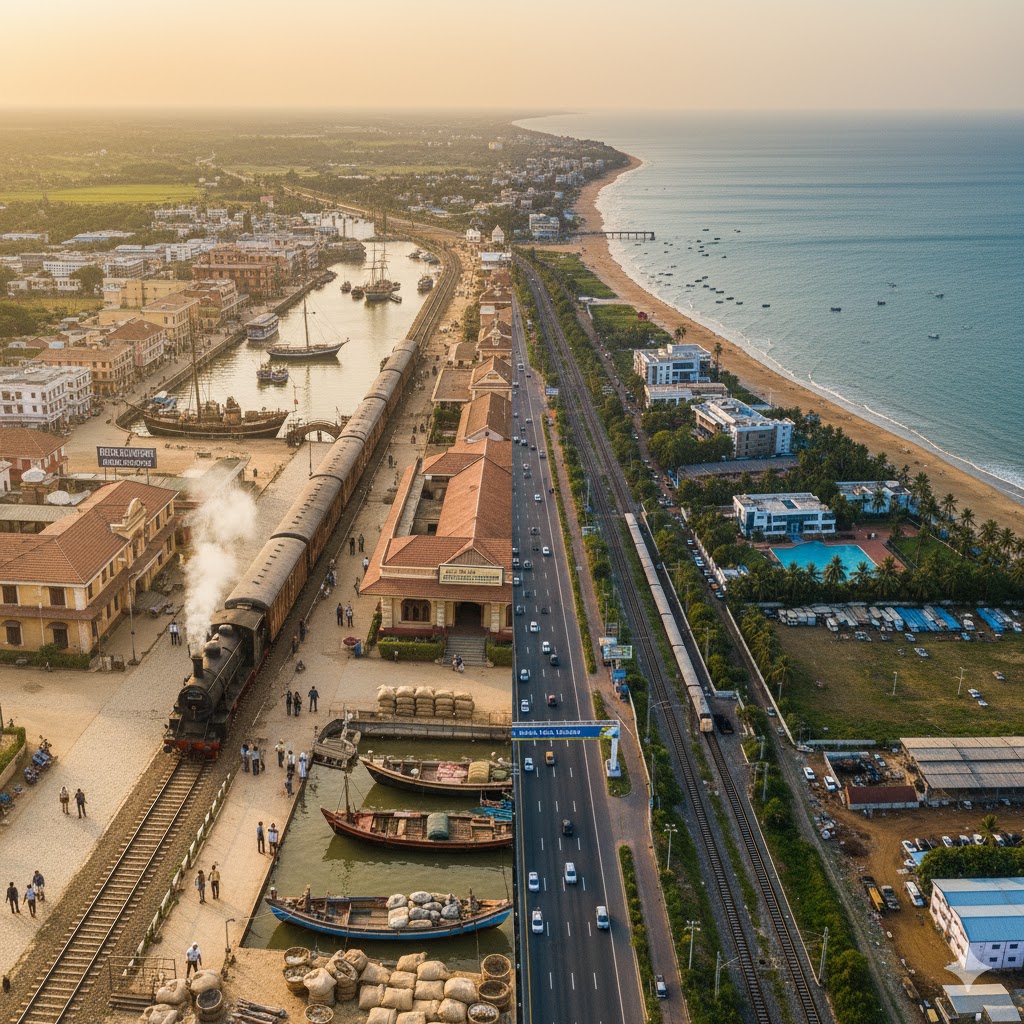
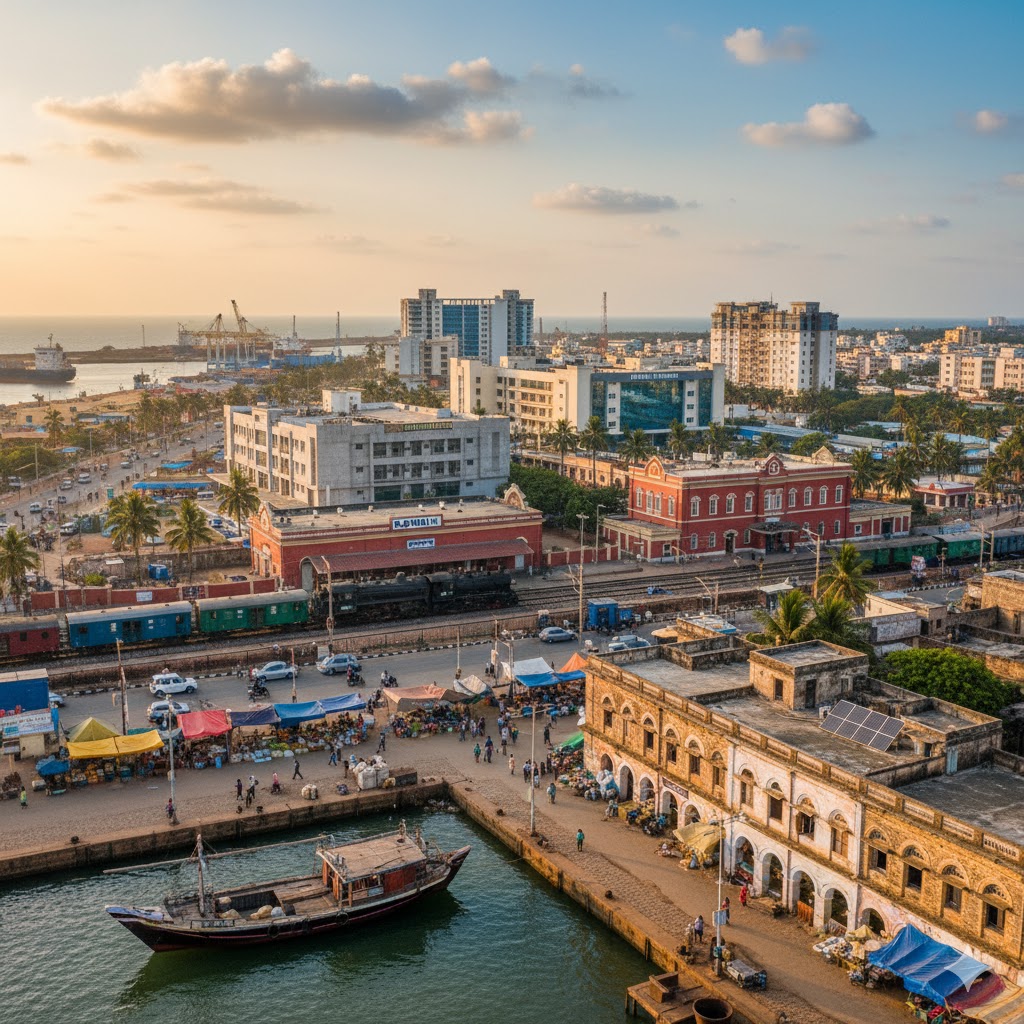
The history of Kavali dates back several centuries, when it was known as “Kanakapatnam,” which translates to “Wealthy Town.” This name reflects its prosperous past as a vibrant trading center for agricultural and coastal products. During the British era, Kavali gained importance as a railway station and port town, serving as a key export point for agricultural produce, salt, and seafood.
Over time, the region transformed into a bustling urban area, attracting settlers from surrounding villages for trade, education, and employment. The establishment of schools, colleges, and hospitals further enhanced its reputation as a regional growth center. With the coming of modern infrastructure and industrialization, Kavali became a strategic link between coastal Andhra and neighboring states, boosting both commerce and connectivity. Today, Kavali stands as a blend of historical legacy and modern progress, where traditional lifestyles coexist harmoniously with technological and industrial advancements, symbolizing the spirit of continuous growth and cultural pride.
Geography & Climate
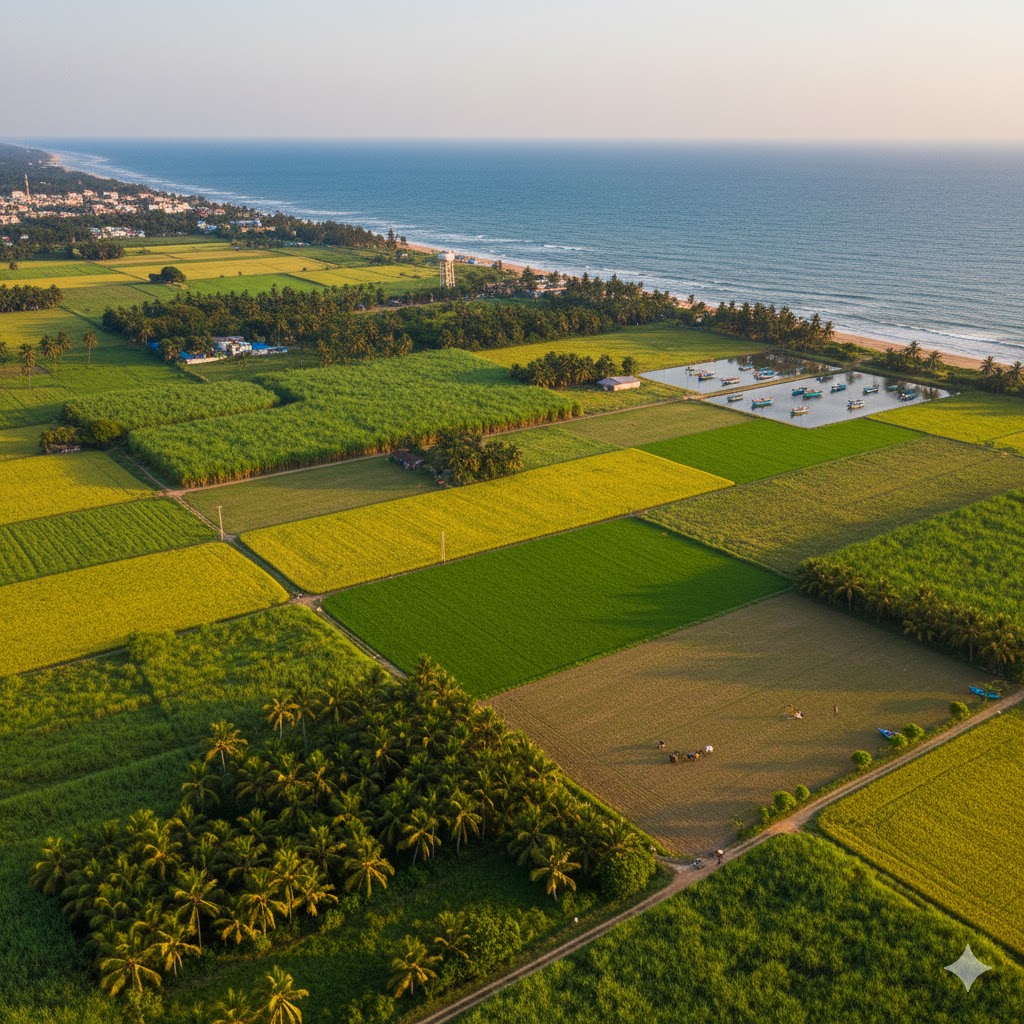
Kavali is located along the eastern coastal plains of Andhra Pradesh, approximately 80 kilometers north of Nellore city, and just a few kilometers from the Bay of Bengal. The zone lies at an average elevation of 17 meters above sea level, offering a flat and fertile terrain ideal for agriculture and habitation.
The region experiences a tropical maritime climate, characterized by hot summers (March to June), moderate monsoons (July to October), and pleasant winters (November to February). The average annual temperature ranges from 24°C to 36°C, with an average rainfall of around 1,000 mm, mostly from the northeast monsoon. The coastal breeze provides natural cooling, making the evenings soothing even during warmer months.
The fertile soil and abundant groundwater support cultivation of major crops like paddy, groundnut, sugarcane, and pulses, while the nearby coast sustains fishing and aquaculture, both vital to the local economy.
Administrative Setup
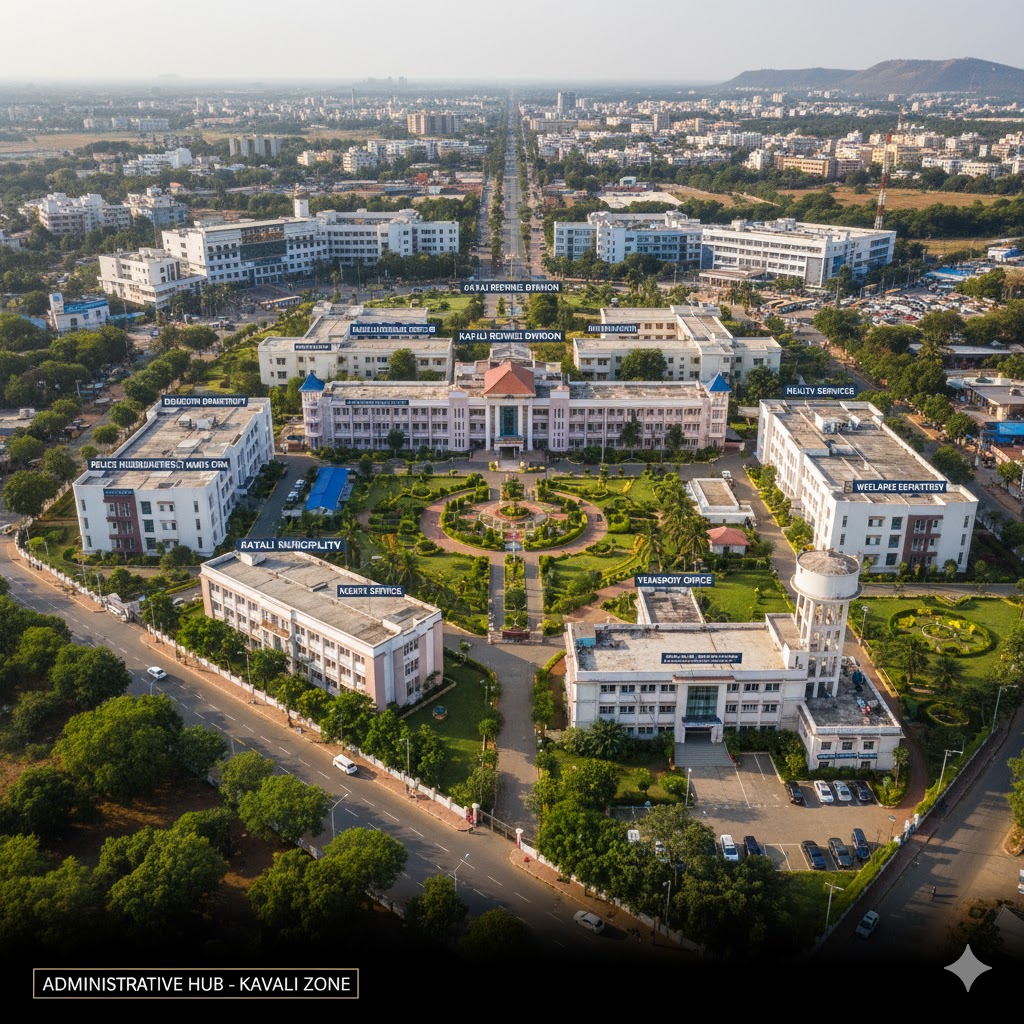
Administratively, the Kavali Zone falls under the Kavali Revenue Division, one of the key divisions in Nellore District. It comprises several mandals, including Kavali, Bogole, Bitragunta, Jaladanki, Kaligiri, and Alluru, each managed by Mandal Revenue Officers (MROs) under the supervision of the Revenue Divisional Officer (RDO), Kavali.
The zone serves as an administrative hub for governance, public service delivery, and developmental planning in northern Nellore. The offices of revenue, education, health, and rural development operate actively within this jurisdiction. Civic amenities such as water supply, sanitation, and road maintenance are managed by the Kavali Municipality, ensuring steady urban growth and improved living standards.
In addition, the zone has a strong presence of police, transport, and welfare departments, ensuring effective law enforcement, mobility, and community welfare across rural and urban pockets.